


Recover with Strength and Flexibility: Harnessing the Benefits of Active Movement
If you’re looking for an engaging and immersive method to enhance your recovery journey, explore the power of active movement. Discover the benefits of recovery through active movement, understand its core principles, how it works, and the ways it can transform your path to full recovery.
Understanding Active Movement in Recovery
Active movement in recovery involves purposeful engagement in physical activities that promote healing, rehabilitation, and overall well-being. With active movement, you become an active participant in your own recovery, driving the healing process and unlocking your body's full potential.
How exactly does active movement work its magic? By participating in targeted exercises and movements, you increase blood flow, enhance circulation, and facilitate the delivery of essential nutrients and oxygen to injured tissues. This proactive approach stimulates the release of endorphins, the body's natural painkillers, providing natural relief and supporting the healing process.
Benefits of Active Movement
The benefits of active movement in recovery are far-reaching. In addition to promoting physical healing, it improves joint mobility, enhances flexibility, and builds strength, reducing the risk of future injuries. Moreover, physical activity stimulates the release of serotonin and dopamine, neurotransmitters that elevate mood and promote mental well-being. By incorporating active movement into your recovery routine, you not only heal your body but also nurture your mind.
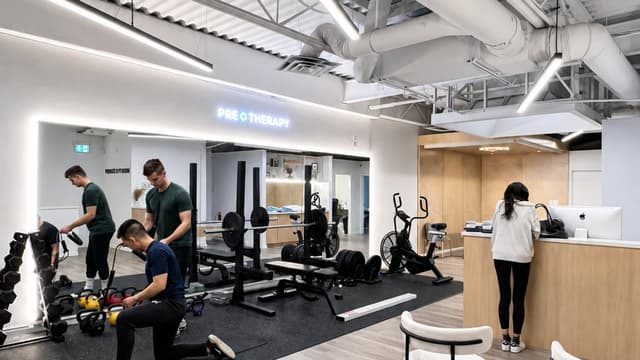
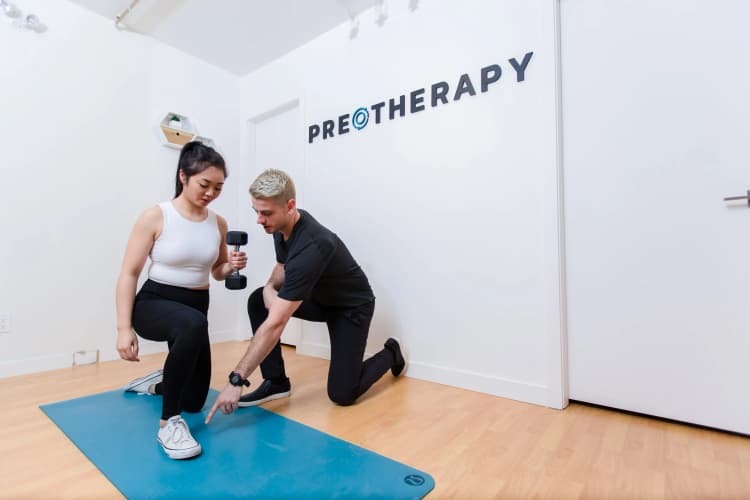
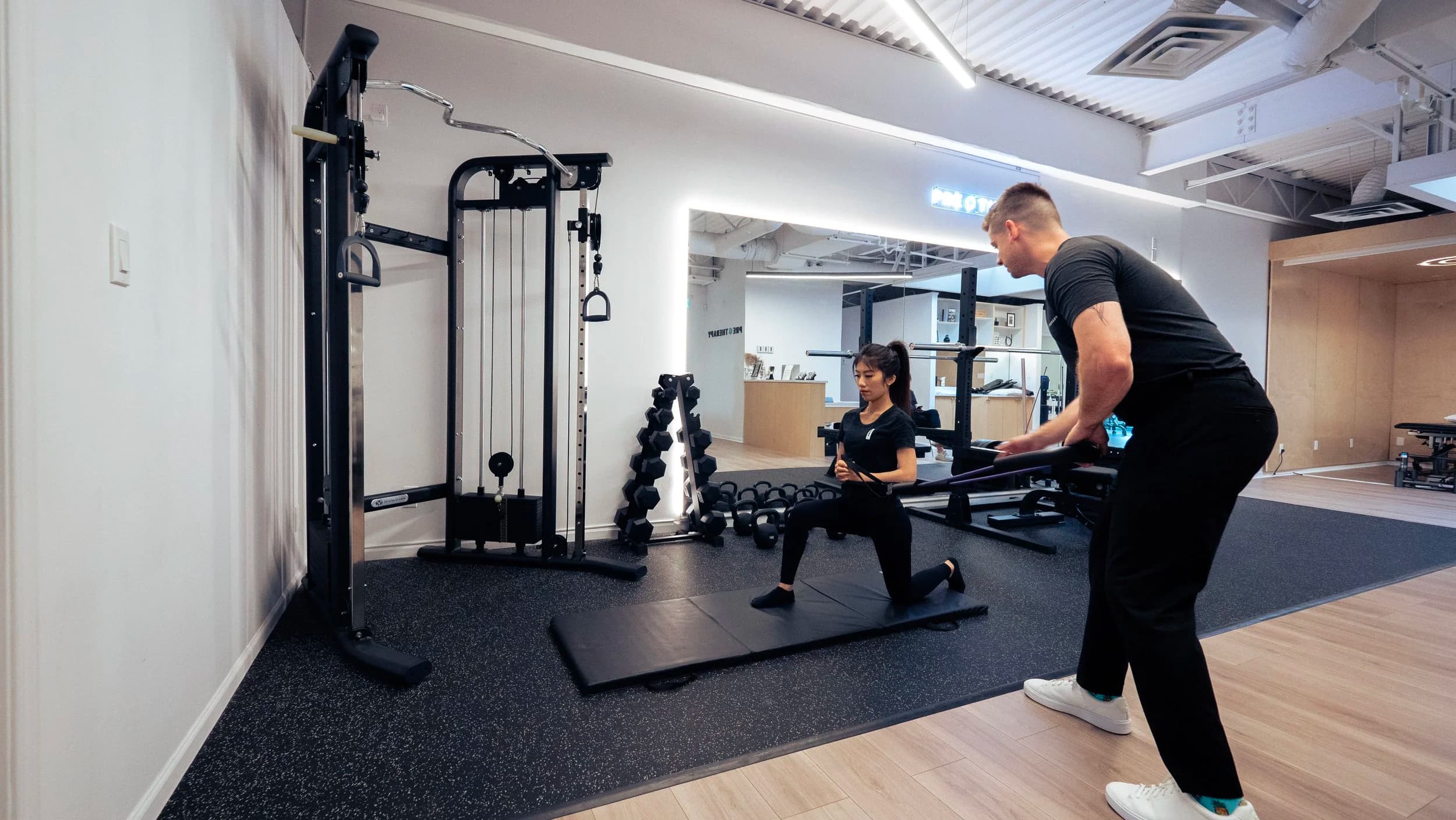
The versatility of active movement is astounding, with a wide range of exercises and activities tailored to suit different needs and abilities. Whether you're engaging in gentle stretching, resistance training, or low-impact cardio, there's a world of possibilities to explore. Our experienced professionals at PRE Therapy will work closely with you to design a personalized active movement program that aligns with your goals and current condition. With their expertise and guidance, you'll embark on a transformative journey toward a stronger, more resilient you.
Taking Control of Your Recovery
Why settle for passive therapies when you can actively shape your recovery? While passive treatments offer immediate relief, they often fall short when it comes to promoting long-term strength and independence. Active movement empowers you to take control of your recovery, fostering a sense of agency and self-reliance. By participating in your own healing, you'll not only experience physical improvements but also a newfound sense of empowerment and resilience.
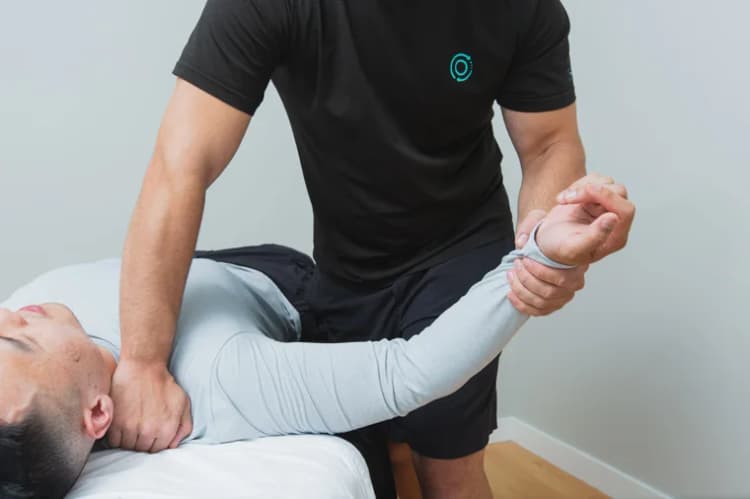
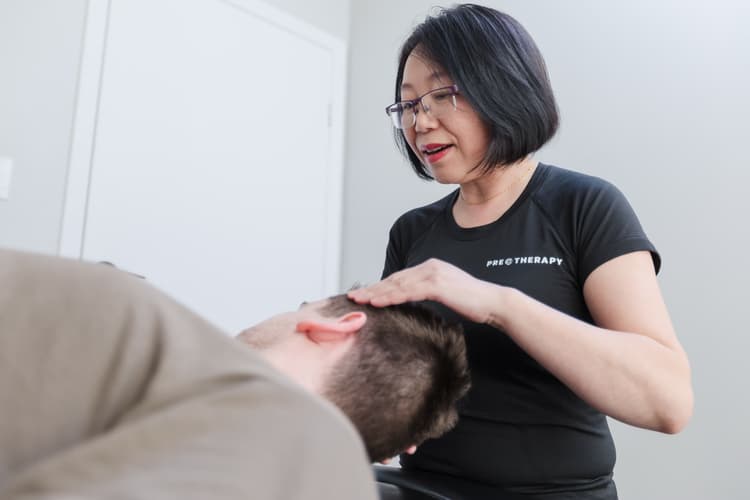
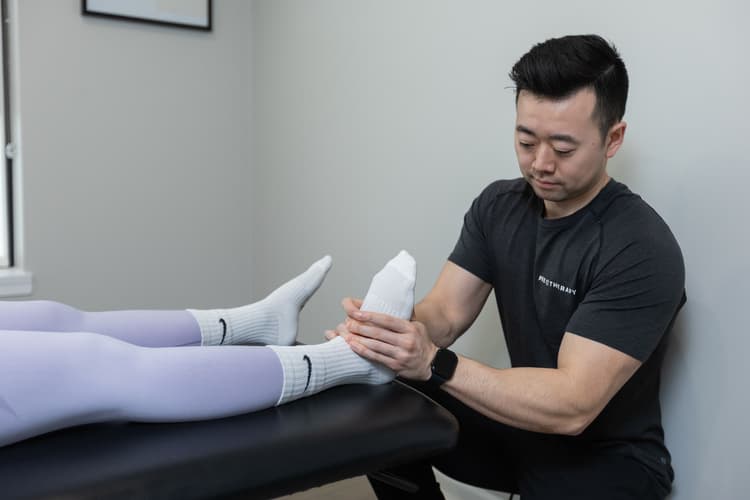
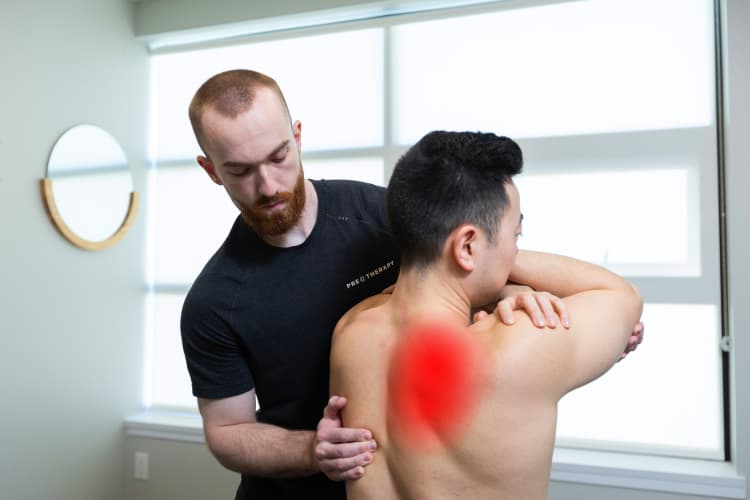
Embrace the dynamic path to recovery through active movement. At PRE Therapy, our dedicated professionals, including movement therapists, are eager to accompany you on this transformative journey, providing the guidance and support you need to regain function, alleviate pain, and improve your overall well-being. Through therapeutic relationship and cognitive physical engagement, we observe your body language and work collaboratively to tailor rehabilitative exercises that address your specific needs. From active body movement to passive range of motion exercises, our therapists work closely with you to enhance your range of motion, reducing pain and promoting healing in your muscles and joints. Take the first step towards a vibrant, active recovery – book an appointment at PRE Therapy today.
Frequently asked questions
What is active movement in injury recovery?
Active movement is purposeful physical activity — targeted exercises and movements that make you an active participant in your own healing rather than a passive recipient of treatment. Moving increases blood flow and circulation, delivering essential nutrients and oxygen to injured tissues, and stimulates the release of endorphins, the body's natural painkillers. At PRE Therapy, we build these movements into your rehabilitation so your body drives the recovery with our guidance.
Is active movement better than passive treatment for recovery?
For building long-term strength and independence, active movement generally outperforms passive treatments, which can offer immediate relief but often fall short over time. Active movement puts you in control of your recovery — improving joint mobility, flexibility, and strength while reducing the risk of future injuries. In practice we use both: our therapists combine active body movement with passive range of motion exercises to reduce pain and restore movement in your muscles and joints.
What kinds of exercises are included in an active movement program?
Active movement covers a wide range of options, from gentle stretching to resistance training and low-impact cardio, adapted to different needs and abilities. There is no one-size-fits-all plan — our therapists at PRE Therapy work closely with you to design a personalized program that fits your goals and your current condition. We observe how your body responds and tailor your rehabilitative exercises as you progress.
Does active movement help your mood while you recover from an injury?
Yes — physical activity stimulates the release of serotonin and dopamine, neurotransmitters that elevate mood and support mental well-being. Recovering through movement also builds a sense of agency and self-reliance, because you are actively shaping your own healing rather than waiting for it to happen. So while your body gets stronger, your mind benefits too.