




How Fascial Restriction Plays A Role On Your Posture
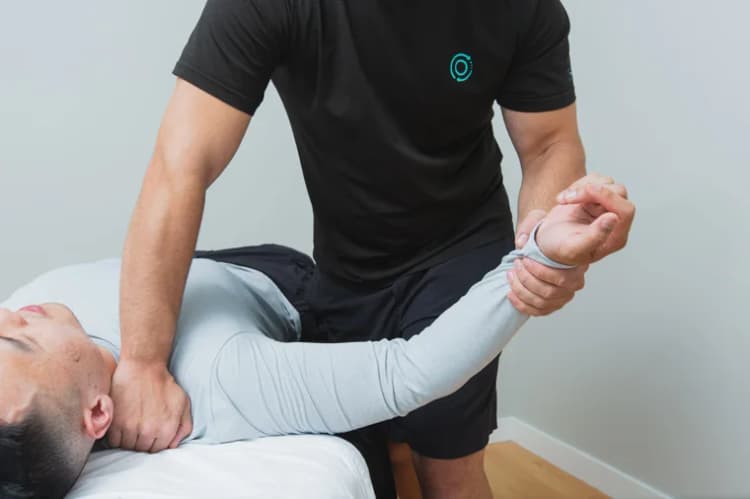
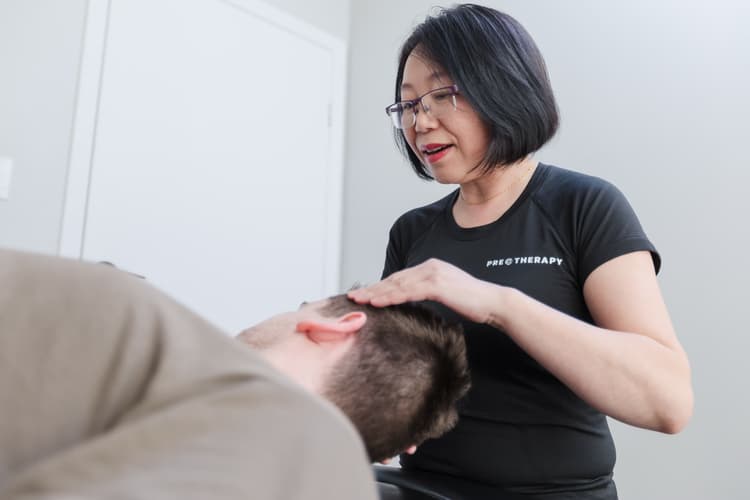
FASCIAL SERIES by Lorenzo Zakinja RMT We’ve all been there. After a string of intense workouts in a row or long hours in the office, the same complaint pops up. “I’m so stiff, my muscles ache, and everything is tight!” This is definitely the case with a lot of people. However, after getting these areas treated, often times, we may be looking too deep.
Tension in our bodies can not only be built up in our muscles, but other structures as well! The fascial system acts as a blanket that covers and connects nearly every structure inside our bodies, including: organs, muscles, bones, nerve fibres, joint capsules, and many more. As a result, this structure plays a key role in our bodies’ mobility. If our fascia can’t move, neither can we! Since it has so many connections within the body, we can see not only how restricted fascia affects our mobility, but our posture as well. If it's restricted, we can't move. If it's loose, we can't stand or sit properly.
SUPERFICIAL BACK LINE (SBL Fascial Line): Our fascia acts as a blanket that covers our muscles. One of these blankets is The Superficial Back Line (SBL). It runs from our toes to our nose, while linking and supporting our entire posterior chain. Important muscles of this system include the Erector spinae, hamstrings, calves, and the plantar surface of our feet.
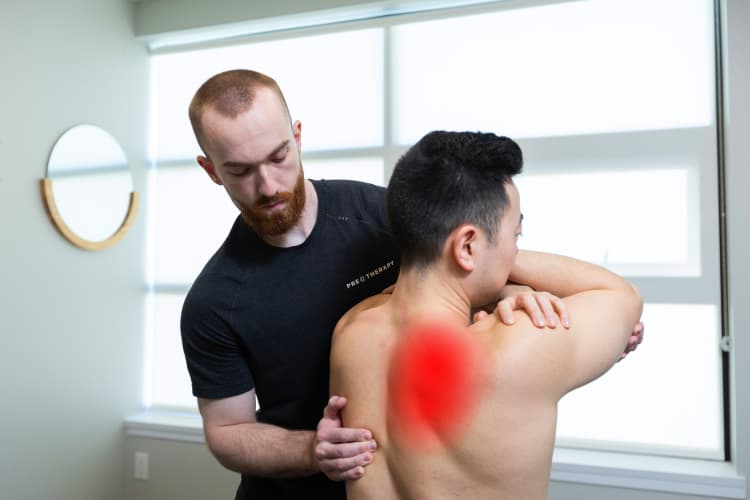
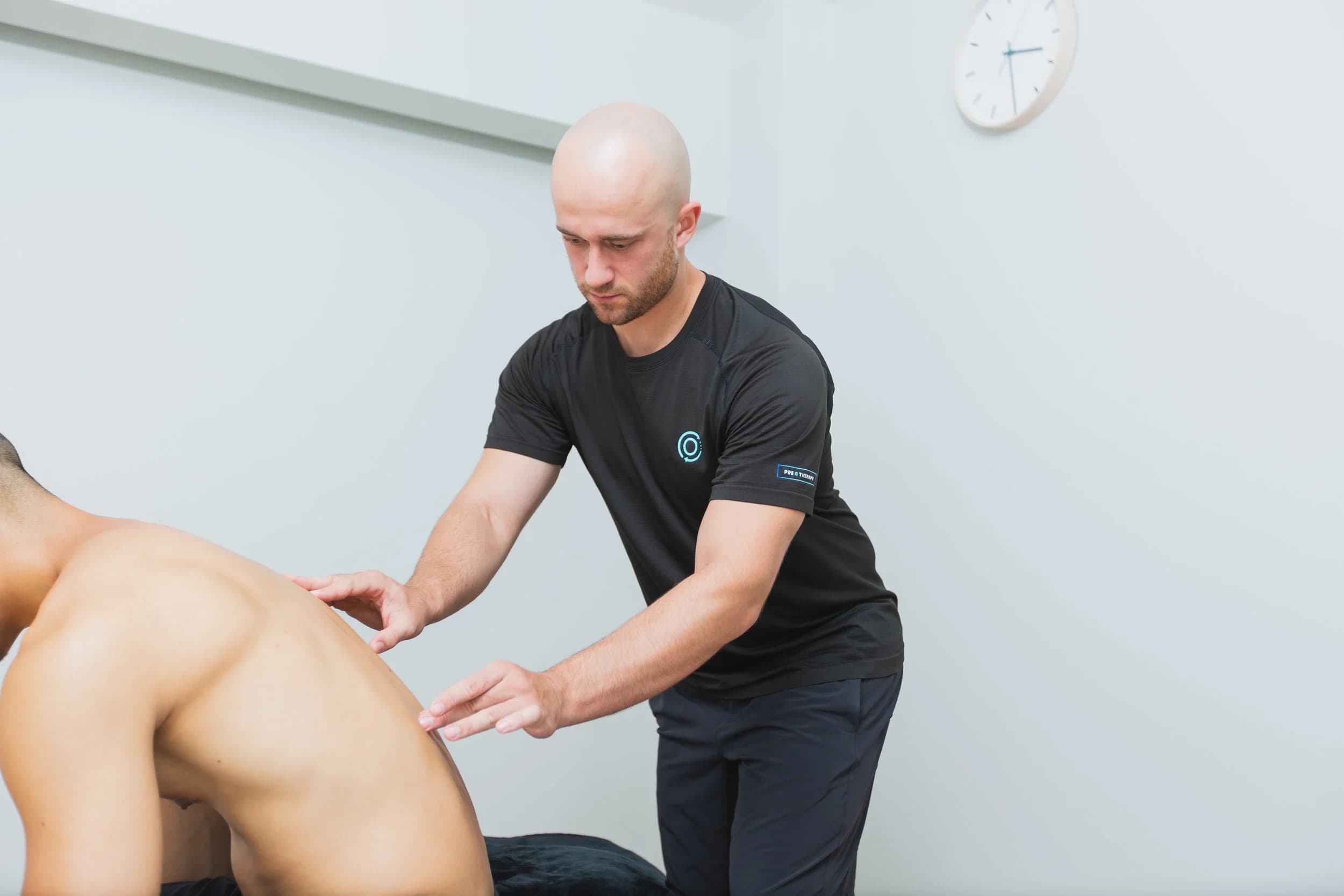
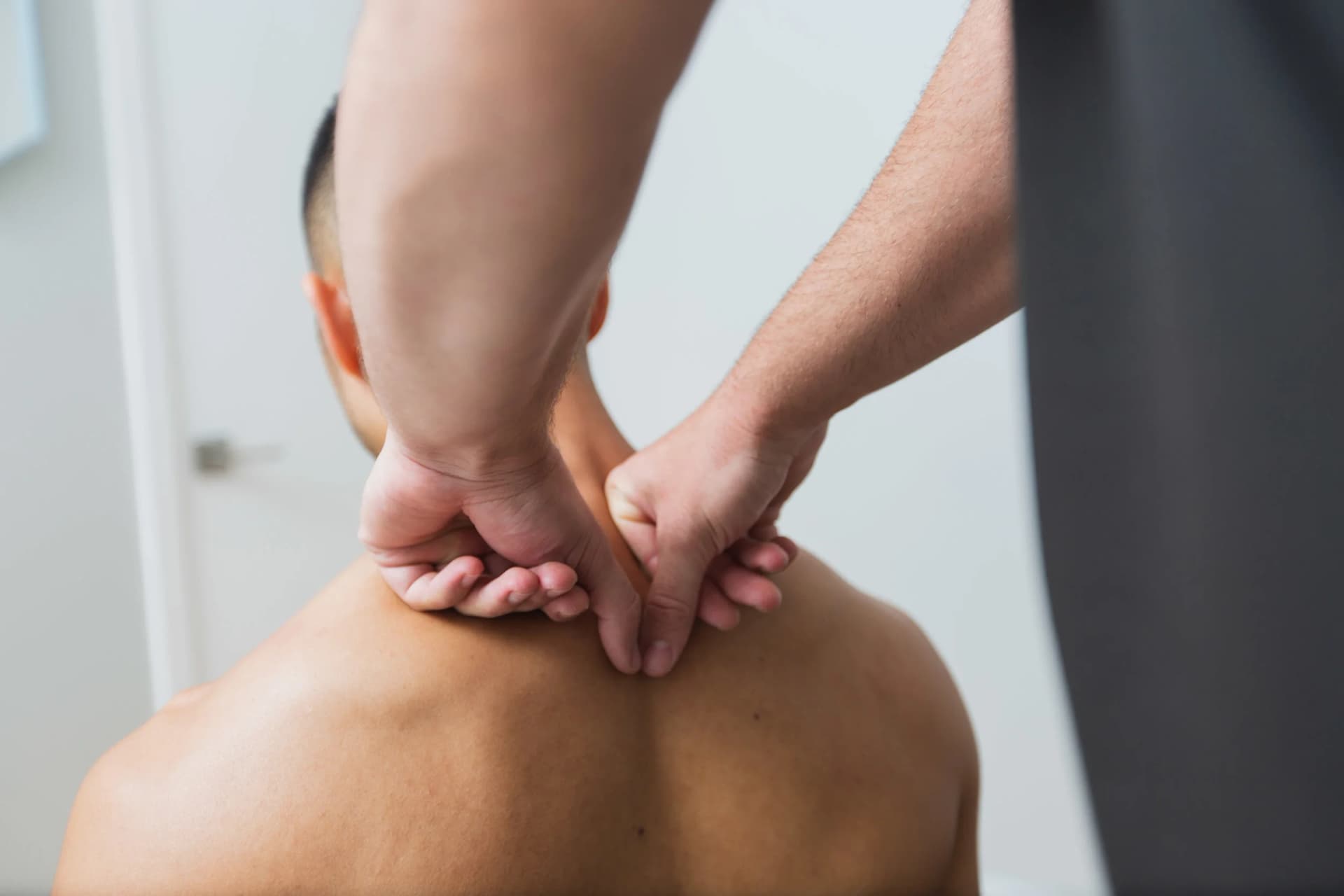
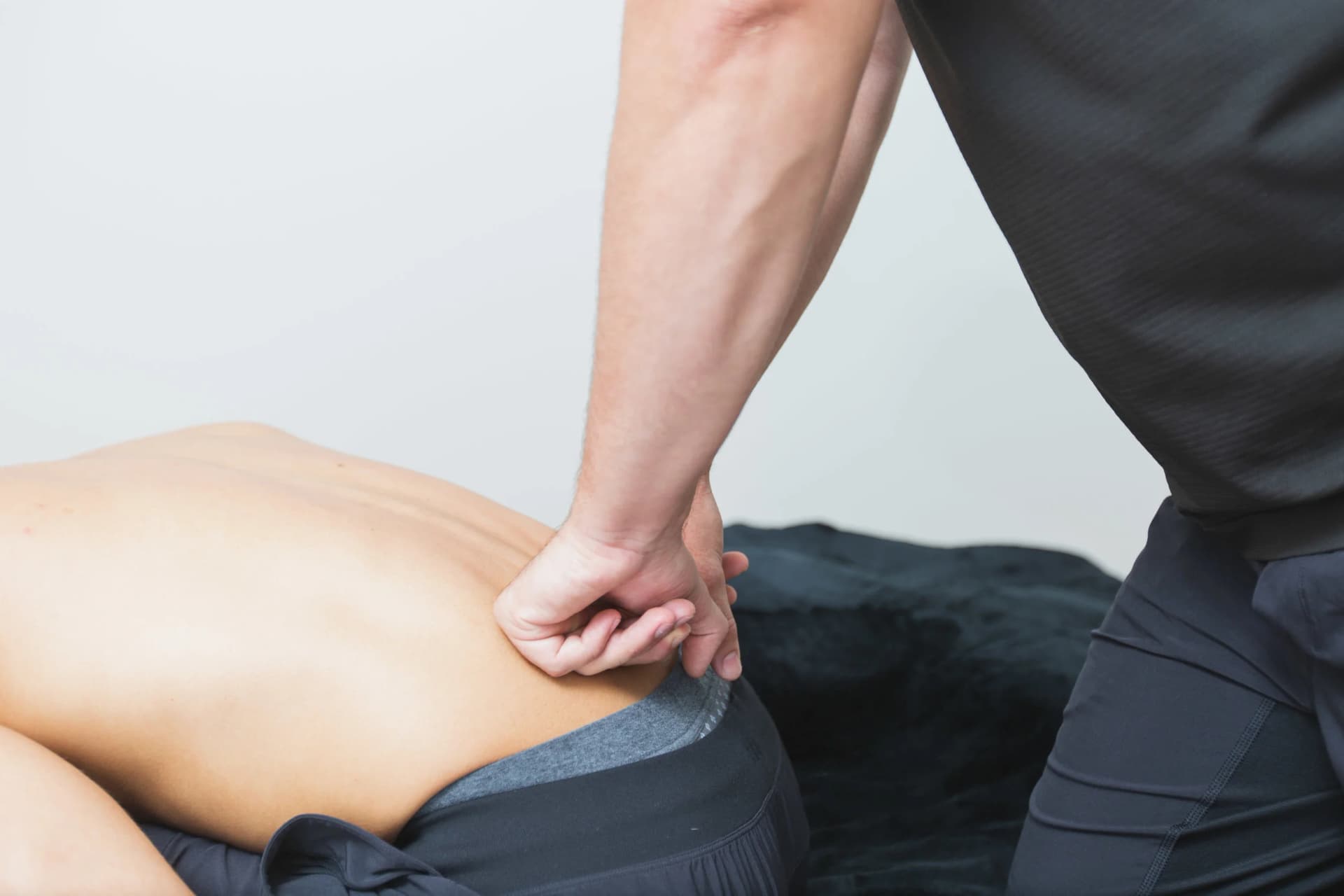
Posturally, it’s function is to support our bodies in upright extension, and prevent us from curling forward into the fetal position. On the flipside, too much tension in this line can create excessive extension, leading to problems such as lordosis, knee hyperextension, and plantar fascitis! One of my favourite methods of releasing this structure is “back stripes.” To perform this technique, get the patient sitting on the edge of a table. Using either your elbows or knuckles, slowly but firmly run them down either side of their spine, from their upper to lower back Activities such as cycling (hamstrings), wearing heels (calves), and computer work (lower back & hamstrings) can also create tension in specific areas!
Stay tuned for our PART II series, where we discuss other Fascial Lines of the body!
References: Anatomy Trains by Tom Myers
Frequently asked questions
Can tight fascia cause bad posture?
Yes. Fascia acts like a blanket that covers and connects nearly every structure in the body, including muscles, bones, organs, nerve fibres, and joint capsules, so it plays a key role in how we move and hold ourselves. When fascia is restricted, mobility suffers along with it, and when it is too loose, it becomes hard to stand or sit properly. That is why we often look beyond the muscles themselves when someone comes in feeling stiff and tight.
What is the Superficial Back Line and why does it matter?
The Superficial Back Line (SBL) is a fascial line that runs from your toes to your nose, linking and supporting the entire posterior chain, including the erector spinae, hamstrings, calves, and the soles of the feet. Its job is to hold the body in upright extension and keep us from curling forward into a fetal position. When there is too much tension in this line, it can contribute to excessive extension and problems such as lordosis, knee hyperextension, and plantar fasciitis.
Why do I feel stiff after working out or sitting at a desk all day?
That stiff, achy, everything-is-tight feeling after a string of intense workouts or long office hours often involves more than just your muscles, because tension can build up in the fascial system too. Everyday activities load specific areas of the fascia: cycling can tighten the hamstrings, wearing heels affects the calves, and computer work builds tension in the lower back and hamstrings. If the fascia cannot move freely, neither can you.
How do massage therapists release tight fascia along the back?
One technique we use at PRE Therapy is called back stripes. With the patient sitting on the edge of a table, the therapist uses elbows or knuckles to slowly and firmly run down either side of the spine, from the upper back to the lower back, lengthening the Superficial Back Line. Before applying any release, we first identify where the restrictions actually are so the treatment targets the right areas.